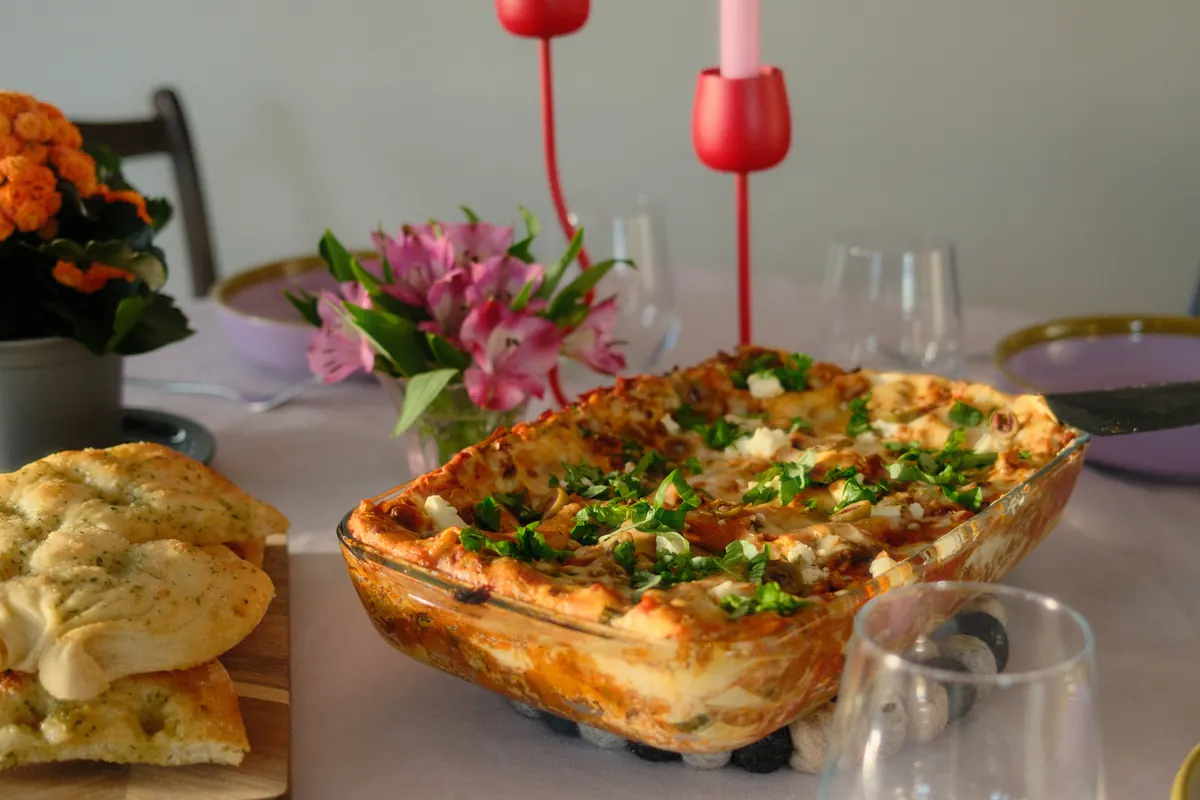
Italian restaurants are forgiving places. Nobody will scold you for ordering a cappuccino at noon, and no waiter is going to lecture you about the bread basket. But a handful of small habits do mark you out as a visitor, and some of them quietly make your meal worse than it needs to be — a secondo that arrives before you have finished your primo, a plate of seafood pasta buried under grated cheese, an hour spent waiting for a bill that nobody realised you wanted. None of this is about strict rules. It is about how a meal is paced, what each part of the table is for, and who is expected to ask for what. Get those three things right and everything else takes care of itself.
An Italian menu is a sequence, not a checklist. Mistake one: ordering as though every course should land on the table together. A full meal runs antipasto, primo, secondo, contorno, dolce, caffè — and the kitchen paces it, bringing the next course once the last plates are cleared. If you ask for your main course while your companion is still halfway through a plate of tagliatelle, you will either be politely refused or served something that has been sitting under a lamp. If you want a gap before the next course, say so: “una pausa, per favore” is understood everywhere.
It also helps to know that skipping courses is completely normal. One person may order only a primo; another may take an antipasto and a secondo. Nobody at the table needs to match. Just remember that a primo is a first course, not a main — a plate of pasta or risotto is sized accordingly, and ordering two primi because you are hungry is a more Italian solution than ordering one enormous one.
Mistake two: treating the table as family-style without asking. In most trattorias each diner gets their own plate and eats from it. Sharing is not forbidden — Italians happily trade bites — but if you want to split a dish properly, ask for “un piatto in più” (an extra plate) rather than reaching across. And do not order a single pasta for four people and assume the kitchen will divide it. Some will, cheerfully. Some will find the request strange. Asking costs nothing.
Bread arrives early, and it is easy to read it as a starter. It is not. It is there to keep the table company while you wait, and above all for la scarpetta — mopping the last of the sauce from your plate at the end of the meal, which is a compliment, not bad manners.
Mistake three: turning the bread into a dipping course. The olive oil on the table is usually there for dressing, and a small dish of it with bread is more of an export than a local ritual. Tearing off pieces and dragging them through the oil while you study the menu will not cause offence, but nobody else in the room will be doing it. Nor is butter a standard companion to bread. If you want either, ask; just do not assume it comes as part of the service.
Mistake four: reaching for salt and parmesan before you have tasted anything. Taste first. If a dish needs salt, ask for it — many tables do not carry a shaker, which is a sign of confidence rather than a shortage. Cheese is the more delicate subject. Grated parmigiano on a ragù or a plate of tortellini is welcome, sometimes insisted upon. On seafood pasta, fish or a risotto with shellfish, most kitchens will not offer it, because the cheese overwhelms the fish. A waiter may say no, or wince, then fetch it anyway. On pizza, the answer is simply no.
Mistake five: asking the kitchen to rebuild a dish. Leaving something out is fine — “senza cipolla”, “senza aglio” — and allergies are taken seriously. But menus here tend to be short and driven by what came in that morning, so requesting a different sauce, a swap of the side, or a dish that is not listed often lands badly. You will get much further with one question: “Cosa mi consiglia?” — what do you recommend? Ask it, and order the answer.
Mistake six: expecting tap water and free refills. Water arrives in a bottle, and you choose: naturale or frizzante. Tap water can usually be requested — “acqua del rubinetto” — but some places will decline, and in a restaurant it is the exception rather than the default.
Then there is the coperto, a small per-person cover charge that appears on the bill. It is standard, usually listed on the menu, and covers bread, the table setting and service. Some restaurants add a servizio percentage instead, more common in smarter places and busy tourist areas. Neither is a trick. If you want to know before you sit down, the menu will tell you.
Mistake seven: ordering a cappuccino after dinner. Nobody will refuse you. Somebody may smile. Milk is treated as a morning food here, which is why a cappuccino belongs with breakfast and why the meal ends with an espresso, taken after dessert rather than alongside it. Ordering coffee at all is a way of signalling that you have finished and are content — it is not unusual to be offered it as the plates are cleared.
It also pays to know what you are ordering. “A coffee” means an espresso, not a mug of filter coffee, and it will be small and strong. If you want something long and gentle, ask for a caffè americano. A few useful words:
Mistake eight: waiting quietly for the bill. It will not come. Sitting at a table with empty cups is read as contentment, not as a request, so nobody will hurry you towards the door. When you are ready, catch the waiter’s eye and ask: “Il conto, per favore.” Many restaurants then expect you to pay at the till on the way out — “alla cassa” — and the waiter will point you there.
Mistake nine: tipping as though you are in New York. Service is already built into wages and, often, into the cover charge. Rounding up, or leaving a few euros on the tray for good service, is generous and appreciated. Twenty per cent is not expected and can confuse things. If you want to split the bill equally, the phrase is “alla romana”; separate bills are usually possible but slow the room down at a busy hour, so keep some cash on you. Take the receipt with you — it is issued for a reason.
Mistake ten: looking for the Italian food you grew up with. Fettuccine Alfredo, garlic bread, chicken parmigiana, penne alla vodka — these are beloved elsewhere, and you will not find them here. Nor will you find chicken heaped on pasta, which is a separate course in Italy for a reason. The reward for letting go is considerable: order by region and by season. Pizza in Naples, tagliatelle al ragù in Bologna, the four Roman pastas in Rome, seafood and risotto in Venice, and whatever the kitchen says came in this morning everywhere else.
None of this requires fluency. A dozen phrases, delivered with a smile, cover almost every situation you will meet:
One last thing worth remembering: a trattoria in Palermo and a dining room in Bolzano do not run on identical habits, and a busy Saturday night behaves differently from a quiet Tuesday lunch. When in doubt, look at the table next to yours — how they order, when they ask for coffee, whether they pay at the table or at the till. The room will tell you what to do.
Photo: Dua'a Al-Amad / Pexels
A cantina is more than a wine cellar: it shapes how Italians store, choose, serve and share wine, from restaurant...
From grape-stomping parades to porchetta stalls and pour-by-pour etiquette, here is what actually happens at an...
A practical guide to hosting a relaxed at-home wine tasting for friends, from choosing five or six bottles and...

Wine, food, and street-side cellar culture.
