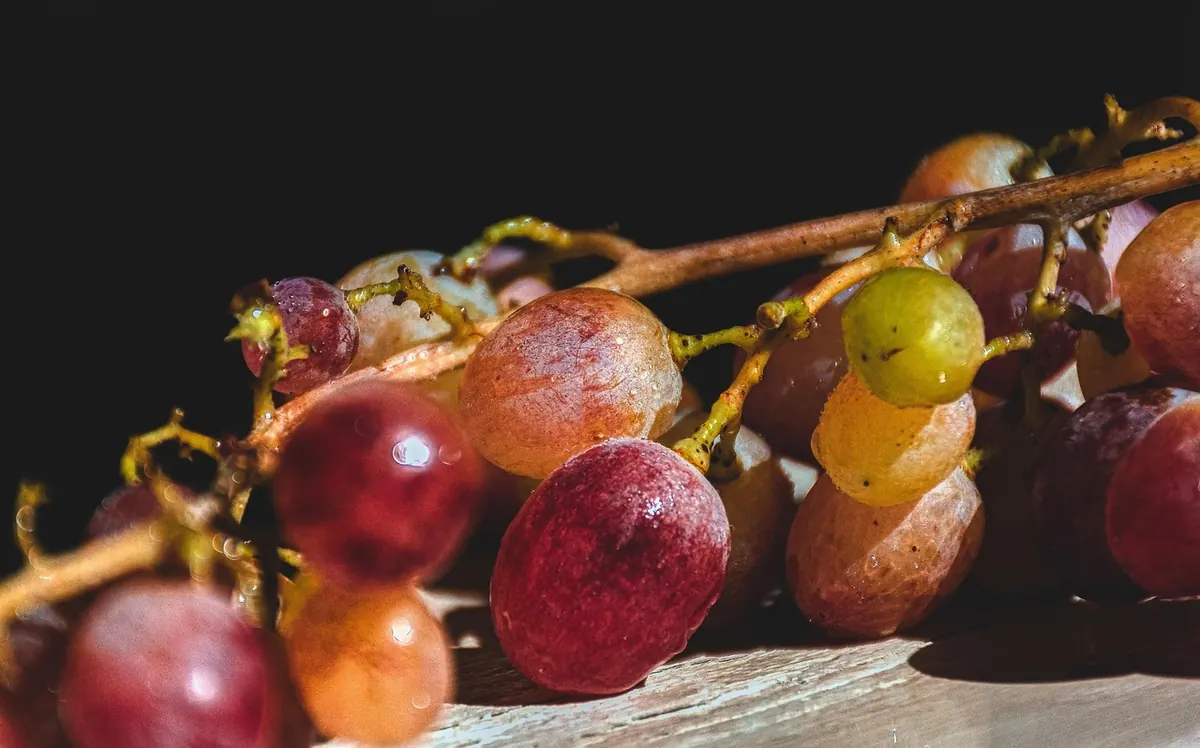
The first time you drive into a small Italian town on the second weekend of September, the signs are unmistakable. Plastic chairs stacked outside a bar at nine in the morning. A trestle table going up in the piazza. Someone hosing down the cobbles with a hose that's seen better decades. By noon there's a grill running, a queue at a card table selling plastic glasses, and the smell of must drifting out of a doorway — sweet, sharp, faintly yeasty. This is a sagra della vendemmia, and it is one of the few ways to see a wine region with its guard down.
These festivals are not trade fairs. They are run by volunteers, funded by the parish or the local pro loco, and judged by people who have been coming since they were children. Knowing what to expect makes the difference between a pleasant afternoon and a genuinely good day.
A sagra is a local food or harvest festival, usually in a town of a few hundred to a few thousand people. Vendemmia is the harvest itself. Cantina is the cellar, and in this context it usually means the working winery where the grapes come in.
The naming is fairly practical. You'll see Sagra dell'Uva, Festa della Vendemmia, or the festival named after whatever grows there: a sagra del Primitivo in Puglia, a festa del Marrone in the chestnut hills, a weekend dedicated to a single hill town's Trebbiano. Some are large and famous — the Sagra dell'Uva in Marino, in the Castelli Romani, is known for the weekend when the fountains in the main square run with wine. Most are much smaller, with one grill, one band and forty folding chairs.
One distinction worth making: Cantine Aperte and similar open-cellar weekends usually fall in spring, not autumn. If what you want is barrel samples and cellar tours rather than a street party, that's a different calendar.
Italy is long, and the harvest follows the heat up the peninsula. In Sicily and parts of Puglia, picking for sparkling and early white grapes can begin in August. Moving north through Campania, Lazio, Abruzzo and Tuscany, the main picking usually lands somewhere between mid-September and early October. In Piedmont, the Veneto foothills, Friuli and Alto Adige, it often runs into October, and the highest Etna vineyards can still be picking late in the season.
Festivals cluster around those windows, but they don't track them perfectly. Some towns celebrate at the start of picking, some at the end, some on a fixed date that has more to do with the saint's day than the vines. Weather shifts the schedule by a week or two each year. So don't plan a trip from a single web page you found from three years ago: check the comune's site or the pro loco's page in the month before you travel, and confirm the date rather than assuming it's the same weekend as last year.
The shape of the day is fairly consistent, even if the details change from region to region.
Harvest food is built for people who have been on their feet since dawn. Expect porchetta carved into panini, crostini spread with chicken livers, salumi and pecorino with honey, polenta with mushrooms, grilled sausage, fried dough, and something sweet made from grapes — a schiacciata con l'uva in Tuscany, a torta di uva elsewhere, fritters with the last of the fruit.
The pairing rule that works is simple: drink what the town makes. A young Sangiovese cuts through porchetta; a local white handles fried food better than a red does; a sweet passito or a moscato is what the grape cake is actually for. Buy small portions from several stalls and share, rather than committing to one enormous plate. And pace yourself. A festival that starts with a tasting at eleven and ends with dancing at midnight rewards restraint at three in the afternoon.
Nobody expects you to be a sommelier. They do notice a handful of things.
Bring cash, and bring small notes. Many stalls are cash-only and a twenty-euro note at a two-euro stall is a slow transaction. Park outside the town and walk in, because the centre will be closed to traffic. Book accommodation well ahead if the festival is a known one; the nearest rooms go months in advance. Arrive before noon for the shortest queues and the best light.
Be honest with yourself about driving. Italy enforces a strict blood-alcohol limit and penalties are serious, so if you're behind the wheel the sensible plan is zero alcohol for the day. Rural taxis are scarce, especially after dark, so either stay within walking distance, book a driver in advance, or appoint someone who genuinely isn't drinking. Check the current rules for your licence and vehicle rather than relying on what a friend remembers.
Finally, buy wine at the end of the day, not the start. A bottle left in a hot car through an afternoon of tastings is a bottle wasted.
The best moments at these festivals tend to happen away from the programme. An old man explaining how his father picked the same slope. A wrong turn that ends in someone's garage with a demijohn and three glasses. A plate of something fried handed over because you asked what it was. Say yes, stay a little longer than you planned, and let the afternoon run. The wine is good; the town is better.
Photo: Ri_Ya / Pixabay
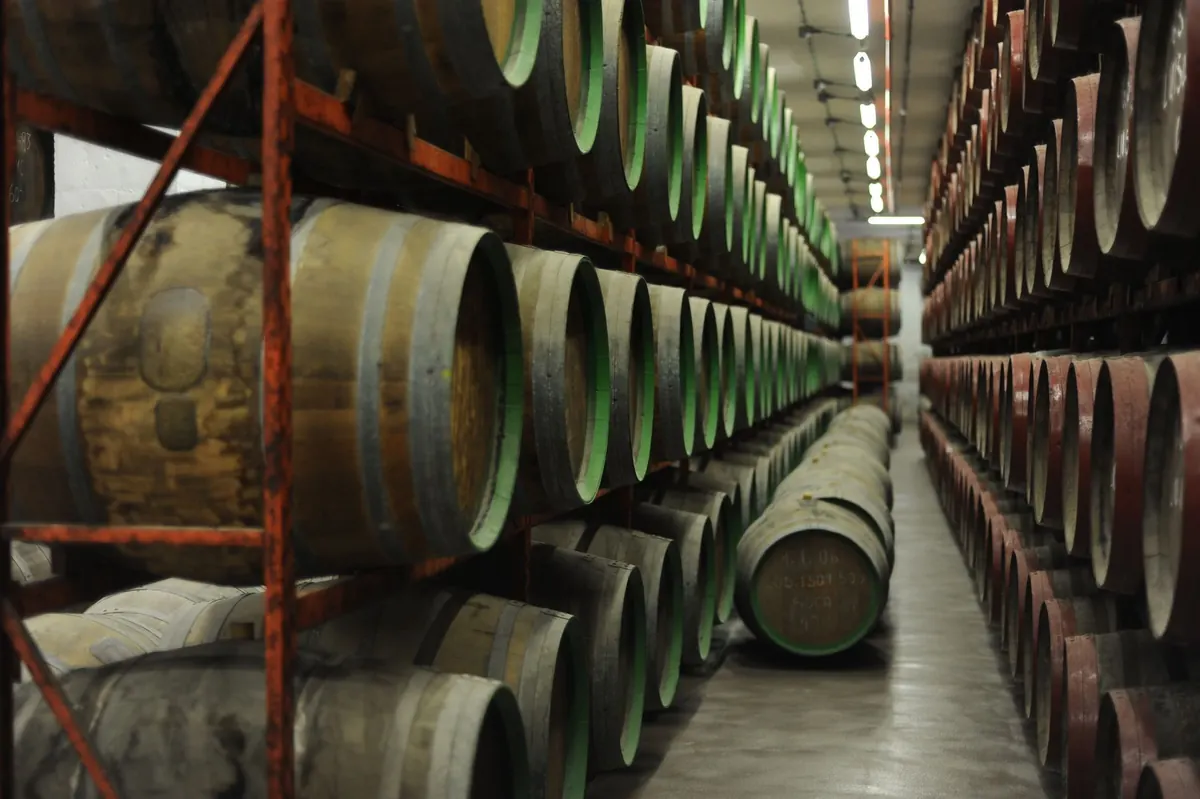
A cantina is more than a wine cellar: it shapes how Italians store, choose, serve and share wine, from restaurant...
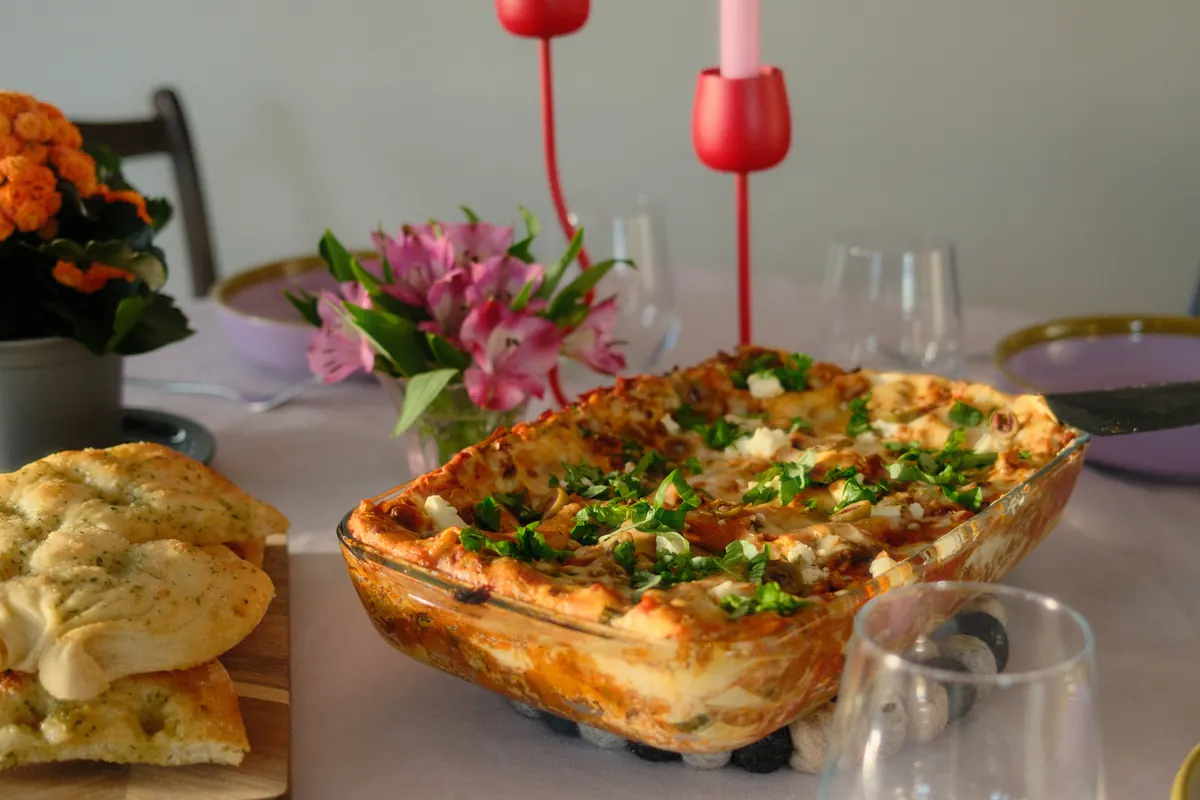
A practical guide to Italian restaurant customs — from course order and bread baskets to coffee timing and tipping —...
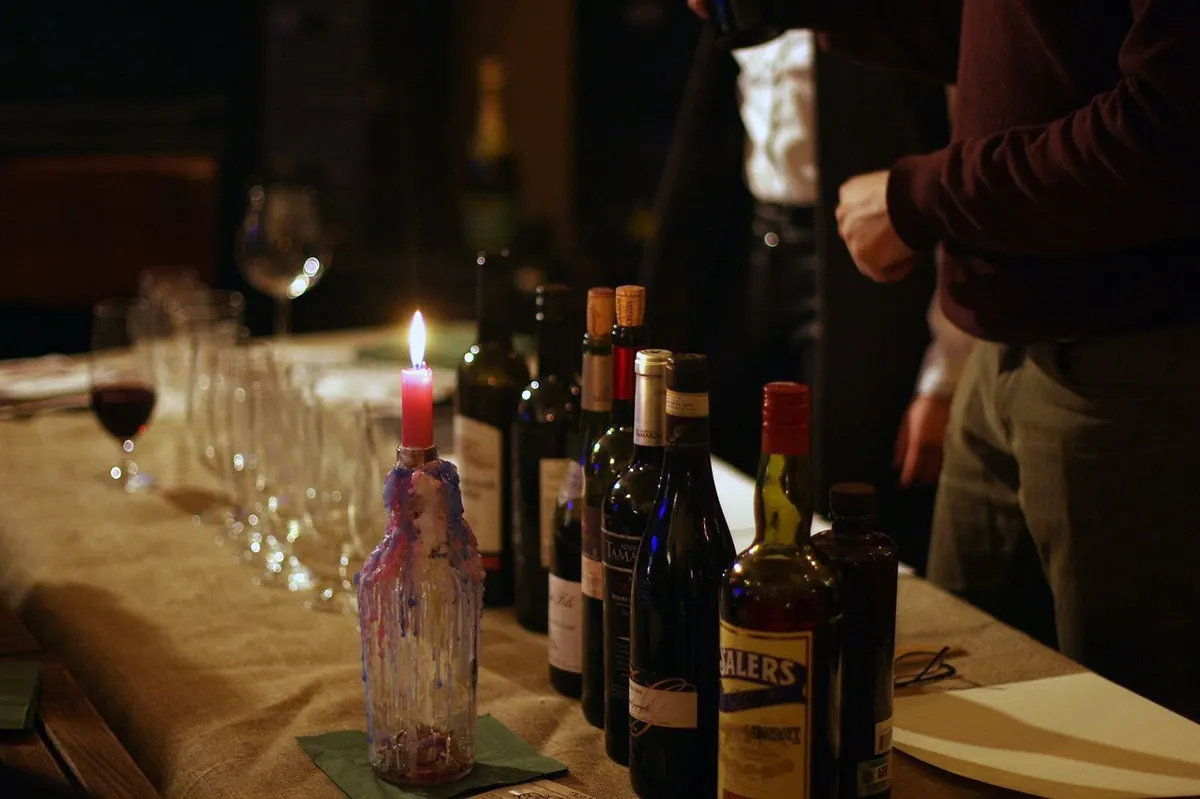
A practical guide to hosting a relaxed at-home wine tasting for friends, from choosing five or six bottles and...

Wine, food, and street-side cellar culture.
