Antipasti are the opening act of an Italian meal, and they are easy to get wrong. The mistake rarely happens in the kitchen. It happens at the table, when a hungry group orders with enthusiasm and no plan, then spends the rest of lunch rearranging plates and regretting the second round of fried olives. A few decisions before the first plate arrives make the difference between a generous beginning and a meal that peaks too soon.
Antipasto does not mean “small appetizer” in the sense of a quick bite before the real food. It is a course, and in some restaurants it can be generous enough to change the shape of the meal. The common mistake is ordering a full antipasto round and then proceeding as if nothing happened: pasta for everyone, a second course, dessert. That is how a pleasant lunch turns into an endurance test.
Think of antipasti as a signal of how the rest of the meal will go. If the table shares three substantial plates, order fewer primi or split a second course. If the antipasti are delicate—thin slices of prosciutto, a few marinated vegetables, a small seafood salad—you have more room. Ask how substantial the plates are before you decide. The answer changes the arithmetic.
The most visible mistake is ordering one of everything. Menus are tempting, especially when the antipasti section lists ten small plates that each sound like the right choice. But a table crowded with plates is not generous; it is chaotic. Food cools while you reach across glasses, and the last plate arrives when the first is already a memory. Antipasti are meant to sharpen appetite, not exhaust it.
A useful starting point: two antipasti for two people, three or four for four, and four or five for six, with the option to add later. That is not a law, just a way to avoid the initial pile-up. If the plates are described as per due or meant for sharing, adjust accordingly. Servers would rather bring another plate midway than watch a table abandon half of the first round.
If the answer to the last question is no, stop ordering. You can always add a plate later. Antipasti are a beginning, not a challenge.
In many Italian restaurants, antipasti are placed in the middle of the table. Everyone takes a little, then passes the plate. The mistake is ordering as if each person needs a private portion, which leads to four plates of bruschetta and no contrast. Sharing is not just polite; it is the point. A table that shares well eats better because every bite is a choice rather than a commitment.
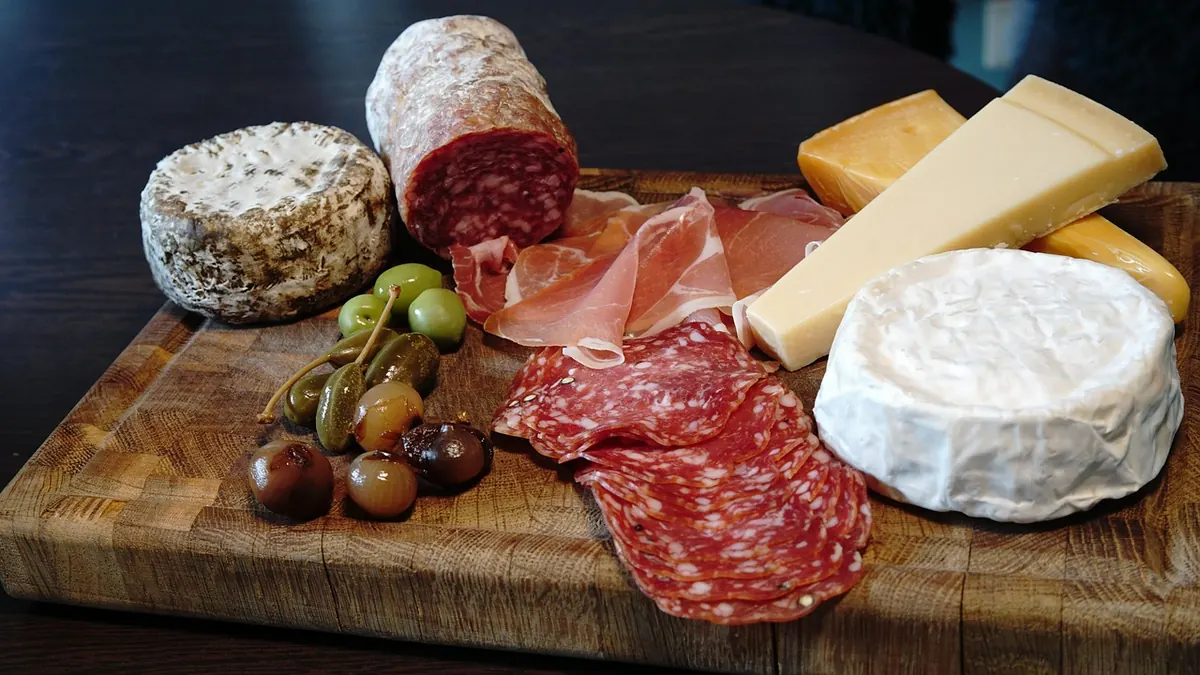
Instead of choosing by craving alone, build a small spread with different jobs. One plate can be vegetable-forward: grilled peppers, marinated artichokes, bitter greens, a tomato salad in season. One can be cured meat or seafood: prosciutto, coppa, anchovies, a small seafood salad. One can be warm or fried: supplì, fried olives, crocchette, a slice of frittata. One can be soft and rich: burrata, ricotta, a creamy cheese with honey. That covers texture, temperature, and flavor without turning the table into a single note.
If the table is smaller, choose two or three of those roles and skip the rest. If someone at the table does not eat meat or dairy, ask for the vegetable and seafood plates to be placed separately. It takes one sentence and makes the shared table work for everyone.
Fried food, cured meat, and cheese are wonderful. They are also the easiest way to make an antipasto round feel heavy before the pasta arrives. A plate of fried olives, a bowl of burrata, a board of salumi, and a basket of bread is a delicious beginning that can leave everyone flat by the time the primo lands. The missing element is usually acid and crunch: a squeeze of lemon, a vinegary pepper, a crisp raw vegetable, a bitter leaf.
When you look at the menu, ask what will wake up the palate. A seafood salad with lemon. A plate of tomatoes with good olive oil. Peppers roasted with vinegar. Fennel with orange. These are not side dishes; they are the counterweight to the richer plates. If the antipasti are mostly rich, order fewer of them and add a simple vegetable plate. If they are mostly light, you can afford one indulgent choice.
Italy is not one menu. A coastal restaurant may do better with seafood antipasti, while a mountain trattoria may lean toward cured meats, mushrooms, and mountain cheeses. A city menu may have a strong vegetable section; a rural menu may have more house-made salumi. The mistake is ordering the same generic “Italian” combination everywhere and then wondering why the plate feels flat.
Use the menu as a guide to where you are and what time of year it is. Tomatoes and eggplant are better in summer; artichokes and fava beans are a spring pleasure; mushrooms and squash belong to autumn. Ask what is local, what is made in-house, and what the kitchen is proud of today. “What do you recommend from the antipasti?” is a better question than “What is your most popular dish?” It invites a specific answer instead of a default one. If the server points to a plate, ask how it is served and whether it is meant to share.
Bread is part of the pleasure, but it is also the silent thief of appetite. If the antipasti include crostini, focaccia, or bruschetta, you already have bread on the table. There is no need to finish the basket before the first plate arrives. Take a piece, taste the olive oil, then stop. The same goes for sparkling water and wine: a little before the food is useful; a lot fills the stomach and dulls the palate.
Wine can make or break the opening. A very oaky white or a heavy red can overwhelm delicate antipasti, while a crisp white, a light red, or a sparkling wine can refresh the palate between bites. You do not need a different wine for every plate. One flexible bottle is enough. If the table is ordering a wide spread, ask for something with acidity and restraint rather than power.
Pacing matters too. Antipasti should arrive before the pasta, not at the same time as everything else. If the table is small, ask the server to bring the antipasti first and hold the rest of the order. In a busy restaurant, that request is normal. It gives you time to eat, talk, and decide whether you need more. The meal should breathe.
Menu descriptions are often brief. “Antipasto misto” can mean a small plate of olives and cured meat or a large board that could feed the table. “Polpette” might be three small meatballs or a bowl. “Seafood salad” might be mostly celery and lemon, or generous with octopus and shrimp. Guessing leads to over-ordering or disappointment
Photo: tomwieden / Pixabay
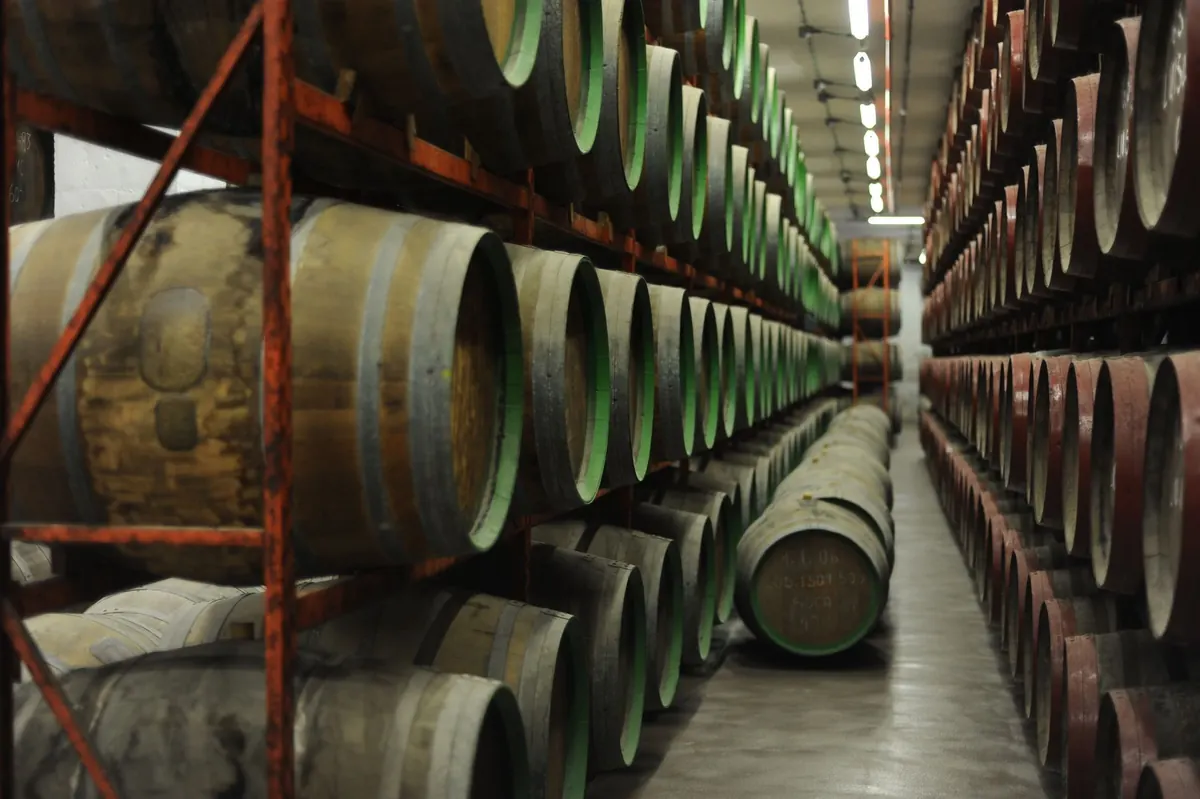
A cantina is more than a wine cellar: it shapes how Italians store, choose, serve and share wine, from restaurant...
A practical guide to Italian restaurant customs — from course order and bread baskets to coffee timing and tipping —...
From grape-stomping parades to porchetta stalls and pour-by-pour etiquette, here is what actually happens at an...

Wine, food, and street-side cellar culture.