A Tuesday-night plate of rigatoni all'arrabbiata does not need a sommelier. It needs a bottle that will not fight with the chilli, and a decision made in under a minute. Most pasta-and-wine advice gets this wrong by starting at the wine list instead of the pan. What matters is what is in the sauce: how much tomato, how much butter or oil, how much acid, how long it cooked. Answer those four questions and the bottle practically chooses itself.
What follows is the short version — a checklist to keep in your head, or taped inside a kitchen cupboard door, for the nights when you are already hungry and the water is nearly boiling.
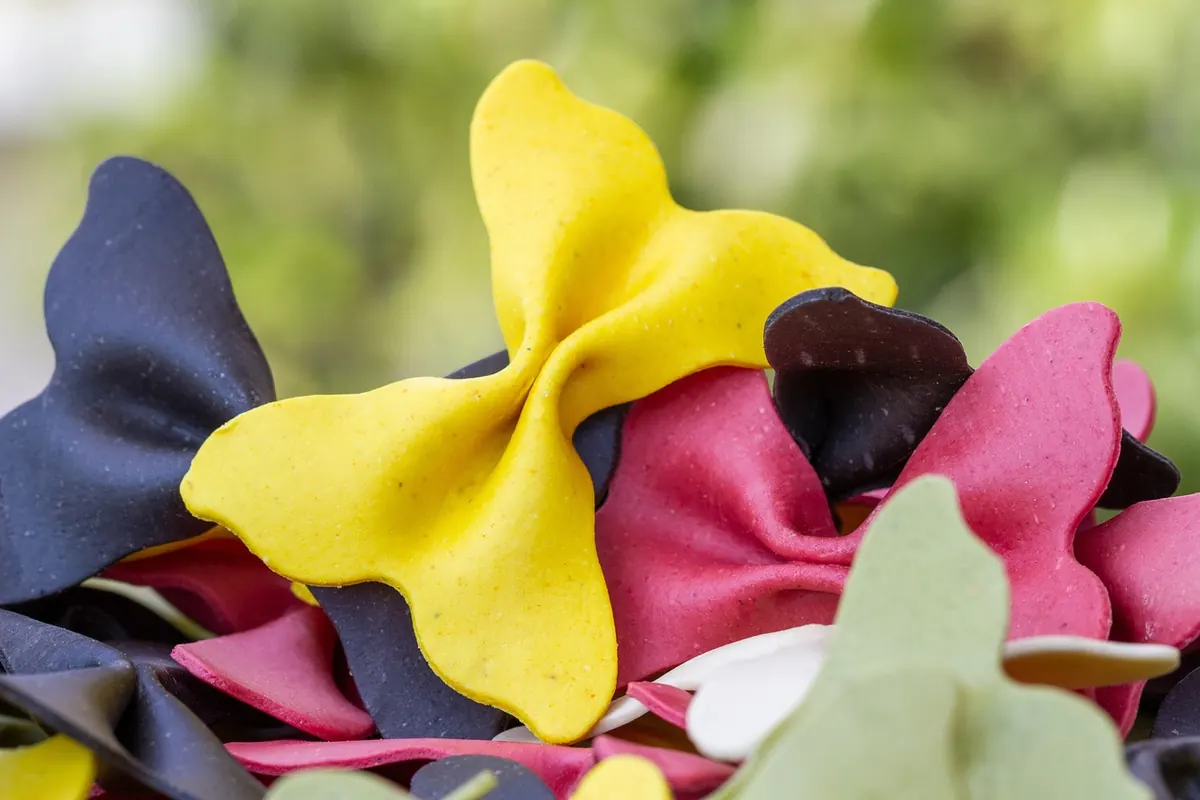
Shape matters, but as a delivery system rather than a flavour. Ridges and tubes hold sauce; cups trap chunks; long strands carry thin, glossy sauces; shells and farfalle catch pieces that would slide off a spaghetti. So the shape mostly tells you how much sauce will meet each forkful, and how rich that mouthful will feel.
The clearest proof of this is bucatini. The same hollow strand works with amatriciana — guanciale, tomato, peperoncino — and with cacio e pepe, which is nothing but pecorino, pepper and starchy water. One wants a red with real acidity and a little grip; the other is happiest with a dry white or a light, frothy red. Same pasta, different bottles. The sauce decides.
Practically: match the weight of the wine to the weight of the sauce, match its acidity to the sauce's acidity, and let the shape guide you only in how generous the sauce will be. A tight, barely-coated pasta needs a lighter wine than the same pasta drowned in a slow-cooked ragù.
Use this as a starting point, not a rulebook. If you already have a bottle open that seems roughly right, drink it — the difference between a good match and a perfect one is smaller than most wine writing admits.
Tomato sauce is acidic. If the wine is less acidic than the sauce, it tastes flat and vaguely sweet, no matter how good it is on its own. If the wine is at least as bright as the food, both lift. This single rule explains why a Sangiovese sings with pomodoro while a soft, ripe red from a hot climate can taste dull and jammy against the same plate.
If the sauce tastes sharp, choose a wine that tastes sharper. If the sauce tastes rich, choose a wine with enough acidity to cut through it.
Tannin needs fat, protein or long cooking to soften it. A tannic red against a lean tomato sauce can feel drying and metallic; the same wine against a ragù, a cheese-heavy bake or a butter-rich sauce feels generous. So save your structured reds for the slow-cooked, the cheesy and the meaty, and keep the light, high-acid reds for quick sauces.
White wine is not a compromise. With butter, cream, delicate fish, shellfish, vegetables and herbs, it is usually the better answer, because it refreshes rather than competes.
Two pitfalls are worth knowing. First, heavily oaked whites and shellfish are a difficult combination — the vanilla and toast clash with the brininess. Second, serving temperature: a white straight from the fridge at four degrees tastes of almost nothing, and its acidity reads as harsh. Take it out fifteen minutes before you eat. Reds, meanwhile, are often served too warm; a Sangiovese at seventeen degrees is far more enjoyable than one at a radiator-warm twenty-two.
Rather than stocking a dozen styles you will not finish, keep a small rotation and let it do the heavy lifting. This is the trio worth having around.
A few small habits make weeknight pairing easier. Chill reds briefly in summer and take whites out of the fridge early. Pour modestly — a smaller pour stays at the right temperature longer and keeps the second glass as good as the first. If half a bottle is left, cork it, refrigerate it, and use it within a couple of days; whites and lighter reds survive better than heavy, tannic ones, and a splash of leftover white is excellent in a pot of vongole.
And do not overthink the last part. If the sauce is bright, pick something bright. If it is buttery, pick something with cut. If you are unsure, a medium-bodied red with good acidity and a fresh white with some texture will see you through nearly any pasta you are likely to cook on a Wednesday. The checklist is there to save you time, not to make dinner feel like an exam.
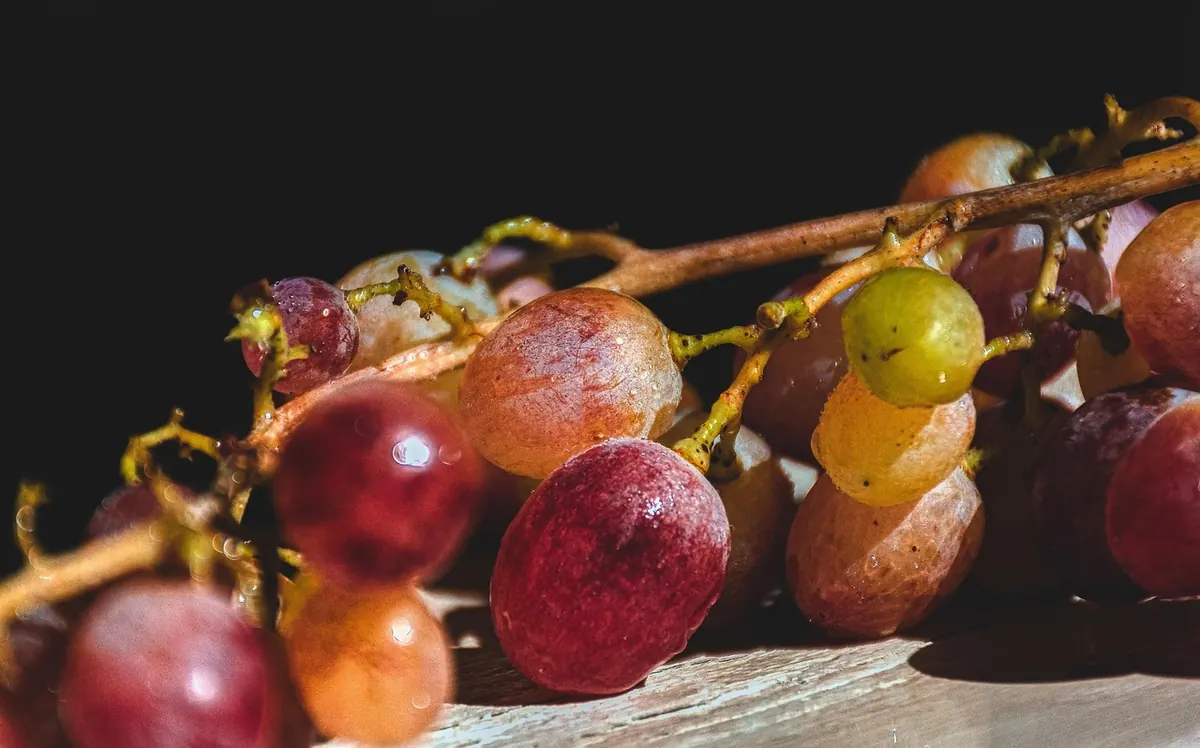
Photo: NickyPe / Pixabay
A cantina is more than a wine cellar: it shapes how Italians store, choose, serve and share wine, from restaurant...
A practical guide to Italian restaurant customs — from course order and bread baskets to coffee timing and tipping —...
From grape-stomping parades to porchetta stalls and pour-by-pour etiquette, here is what actually happens at an...

Wine, food, and street-side cellar culture.