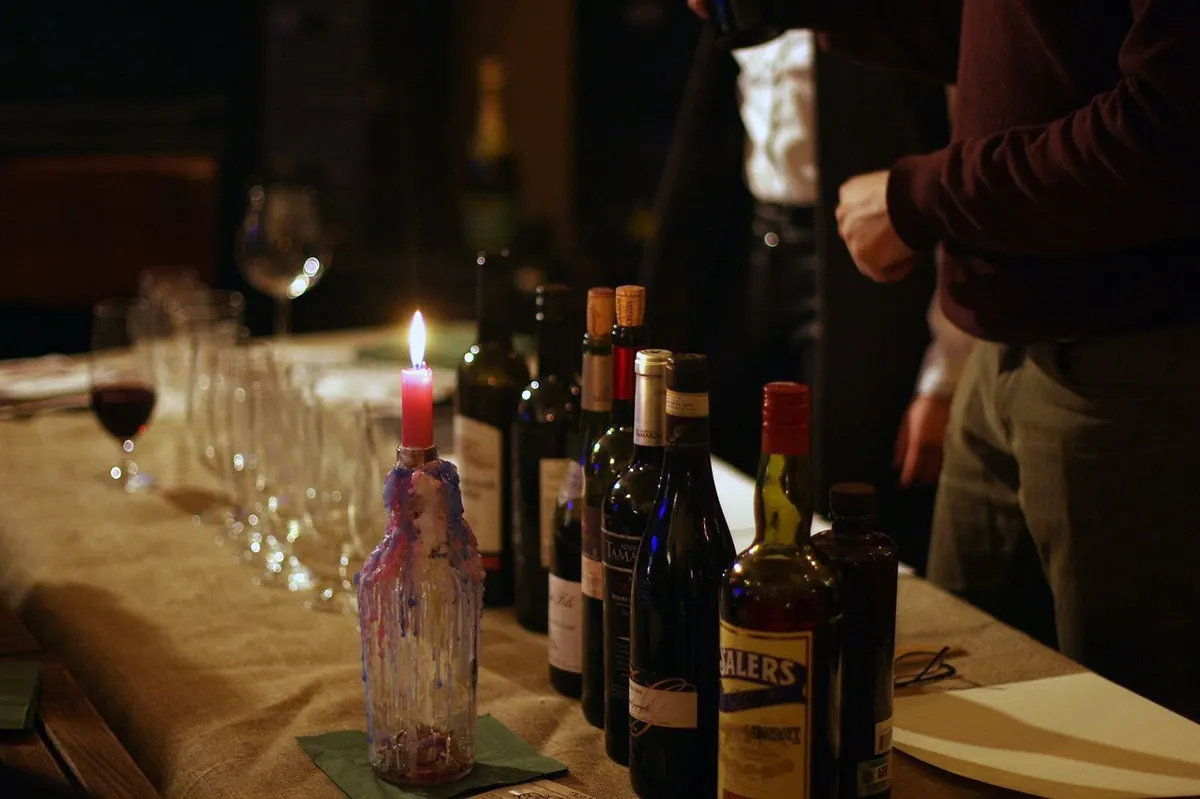
The first sign of spring in Italy isn't the calendar, it's the market table: asparagus bundled with string, peas still in their pods, artichokes stacked like pine cones, bunches of puntarelle and wild garlic. The cooking that follows is quick, green and generous with olive oil and lemon. Then comes the question of the bottle, and this is where good cooks often stumble — a rich, oaky white that flattens the vegetables, or a tannic red that turns metallic against an artichoke.
Spring vegetables are light, but they are not simple. They carry green, grassy and sometimes bitter flavours, they're rarely cooked with much fat, and they arrive at the table with salt, acid, anchovy and grated cheese that can make a wine taste thin or harsh. What follows is a bottle-by-bottle guide to the Italian wines that handle them best, all of them accessible, none of them precious.
Before choosing a label, think about three things. The first is greenness: asparagus and some spring greens contain compounds that read as vegetal, and they can make a wine taste sweeter and fruitier than it really is. The second is bitterness: artichokes contain cynarin, which temporarily makes everything on your palate taste sweet, so a wine that seemed admirably dry can turn cloying by the second bite. The third is the dressing. Lemon juice, vinegar, anchovy, wild herbs and a slick of good olive oil all push a wine in a direction, usually towards acidity.
Two practical consequences follow. Keep alcohol moderate — a 14.5% white with oak and lees feels heavy next to a plate of peas. And look for sapidità: the saline, mineral, faintly bitter finish that Italian whites do better than almost anyone. That quality is what stands up to bitterness and to olive oil without needing fruit or sweetness to help.
These are the wines to buy by the half case in March. None requires a special occasion, and most cost about as much as a decent piece of cheese.
Add a dry rosato — Cerasuolo d'Abruzzo or Chiaretto di Bardolino — and one light red such as Grignolino, Schiava, Dolcetto or Frappato, and you can cook your way through the whole season without opening the same bottle twice.
Asparagus has a reputation for being difficult, and it earns it. The green, grassy notes fight with oak and with tannin, so the usual advice applies with unusual force: no oaky whites, no structured reds. Instead, go for a white with high acidity and a herbal streak. Vermentino and Friulano are the reliable choices; Falanghina works when the asparagus is grilled and lightly charred.
Green asparagus is the problem child: bright, vegetal, slightly bitter. White asparagus, grown under soil, is milder, sweeter and usually served with butter, egg or Parmigiano, which changes everything. There you can afford a white with more body and a little age — a Soave Classico from a good vintage, or a Nosiola from Trentino. If you're cooking white asparagus the classic way, with a soft egg and a grating of cheese, a Franciacorta with a few years of bottle age is a quietly luxurious match.
Raw asparagus shaved into a salad with lemon and pecorino wants a wine with bite: Vermentino, or a Gavi served properly cold. Thick spears folded into a risotto need texture rather than acidity, so reach for Fiano. And when the asparagus meets prosciutto or a soft cheese, a glass of dry rosato solves the problem faster than any white.
Artichokes make wine taste sweet. That's not snobbery, it's chemistry, and it means the wines that fail here are the round, soft, oaky ones. What works is acidity, salinity and restraint — wines with a bitter, mineral finish that meets the vegetable on its own ground.
For carciofi alla romana, braised with garlic, mint and olive oil, pour a Vernaccia di San Gimignano or a Vermentino. For carciofi alla giudia, deep-fried and crisp, a dry sparkling wine is better than a still white: Prosecco or a Franciacorta cleans the palate between bites. Raw artichoke salads, sliced thin with lemon and parmesan, are perhaps the easiest case of all — a Gavi or a Pigato from Liguria will do exactly what you want. What to avoid is simple: skip tannic reds, skip rich oaked whites, and don't overthink the rest.
Peas and fava beans are the friendly ones. They're sweet, they're grassy, and they're happy with a wide range of wines, provided the wines are fresh. Verdicchio, Gavi and Fiano all work; so does a young Soave.
The dish, as ever, matters more than the vegetable. Peas with prosciutto or pancetta can take a light red — Dolcetto or Grignolino, served cool at around 14°C. Fava beans with pecorino and mint want a white with some grip and salt: Vermentino, Greco di Tufo, or a Cerasuolo d'Abruzzo if you want something pinker and more generous. Broad bean purée with bitter greens is the one combination that benefits from a fuller white, so bring out the Fiano.
Puntarelle with anchovy dressing, cicoria ripassata in the pan with garlic and chilli, radishes with butter, a bowl of wild garlic — this is where Italian whites with a bitter edge earn their keep. The salt and anchovy in a puntarelle dressing need acidity, not sweetness; Vernaccia and Vermentino handle it well. Cicoria cooked in olive oil and chilli is more robust and can take a rosato or even a light red served cool.
For raw spring flavours and wild garlic in particular, look north: Friulano, Ribolla Gialla, or a Nosiola or Sylvaner from Alto Adige. A herb frittata, one of the simplest spring lunches there is, sits comfortably between these worlds — a Soave Classico or a Verdicchio will see you through it.
Most spring plates aren't vegetarian, and the meat changes the equation. A roast leg of lamb at Easter, a frittata with herbs, a plate of prosciutto with fava beans — these want something red, but light and cool. Schiava from Alto Adige, Grignolino from Piedmont, Bardolino and Valpolicella from Veneto, Frappato from Sicily: wines with modest tannin, bright acidity and enough perfume to sit beside herbs and green vegetables without dominating them. Chill them briefly — twenty minutes in the fridge is plenty — and drink them from a glass wide enough to let the aromas out.
A spring lunch of asparagus, a bowl of peas and a plate of artichokes doesn't need three wines. One good Verdicchio and one dry rosato will cover it, with a light red standing by for the lamb. Buy them now, keep them cold, and let the market decide the rest.
Photo: JillWellington / Pixabay
A cantina is more than a wine cellar: it shapes how Italians store, choose, serve and share wine, from restaurant...
A practical guide to Italian restaurant customs — from course order and bread baskets to coffee timing and tipping —...
From grape-stomping parades to porchetta stalls and pour-by-pour etiquette, here is what actually happens at an...

Wine, food, and street-side cellar culture.